 Starting the research project, what was supposed to be the culmination of my Humanities Core experience, seemed incredibly daunting. Each topic seemed equally interesting; all the lecturers had brought their intricate arguments to class, ideas that helped me interact on a much deeper basis with the material introduced. These interactions were crucial to shaping my current worldview, adding a rich depth and understanding to my educational experience (by relation, personal opinions too) that I could not have obtained anywhere else.
Initially, I had wanted to discuss the immigration experiences of Asian Americans, and the struggle to establish an identity with the clashing of two very polarizing cultures that often occurred as result of the borderlands. Professor Lazo had discussed such a concept early fall quarter, and Professor Vo had touched upon again in the spring; both brought very interesting perspectives that resonated deeply with me. For although I was born here in America, the conflict within my own borderlands – with the traditional Vietnamese side of me warring with the more liberal attitudes I was raised upon – continues to contribute to the formation of my person and identity to this day.
 However, the search for an artifact lead nowhere. There were no aha! moments, no inspiration that struck. There was nothing that I loved enough to dedicate 5-6 weeks of careful scrutiny, tears, and put hard work into, an important factor my seminar leader Professor Walsh had stressed multiple times in class.
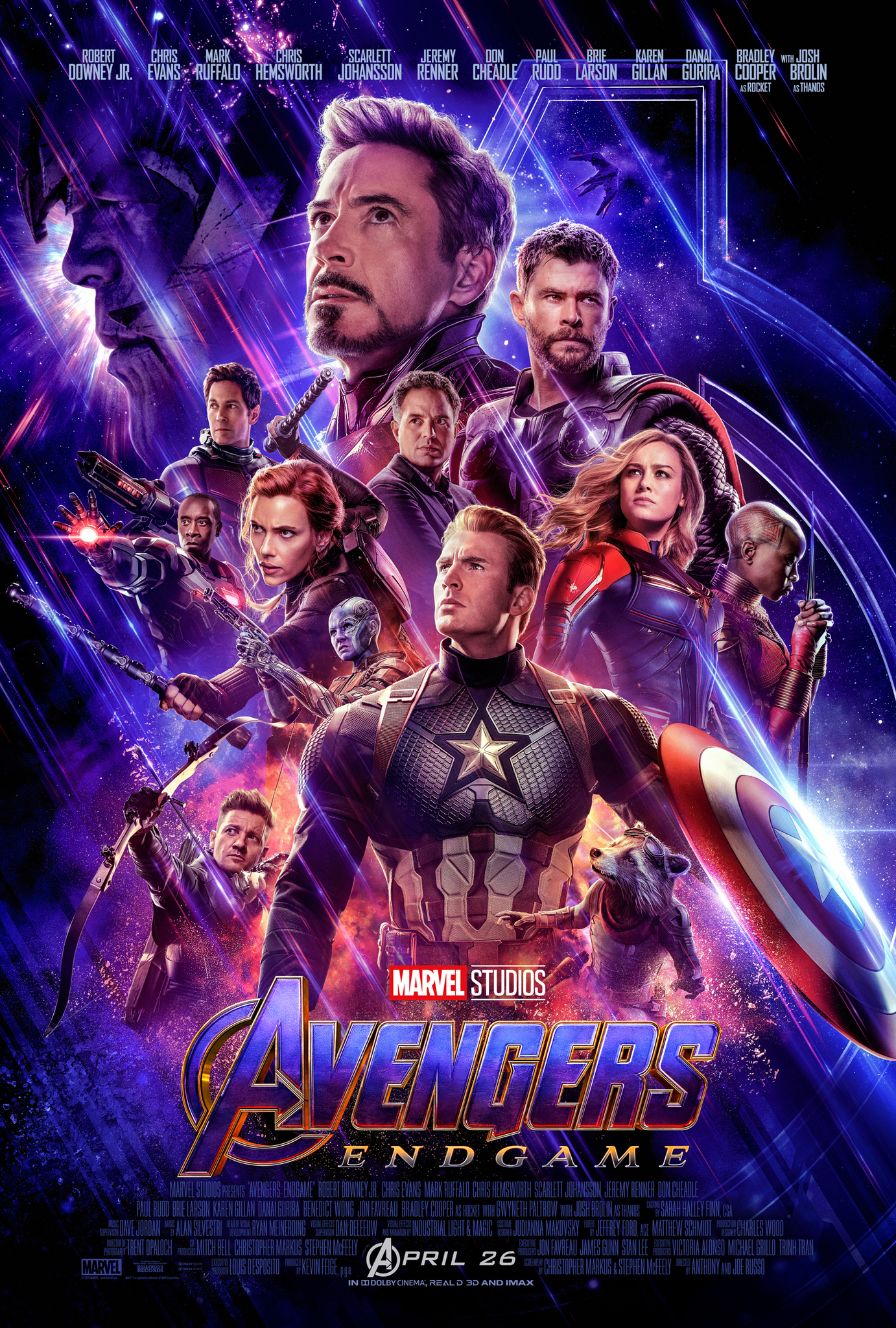
So I turned to popular culture. Watching Avengers: Endgame, the very last movie in the Marvel franchise series, was an experience for me as an avid fan for the last 11 years  (see the previous blogpost, The Binary of the Other Embedded in the Superhero of Marvel’s Avengers:Endgame). However, I was not the same child I was when I had watched Iron Man in 2008. After being exposed to the different ideas Humanities Core had taught me, I realized that I had developed a slightly more critical perspective – one that solely didn’t soak up the piece of entertainment at face value. I had begun to actively analyze the subversive messages, ones that reminded me of empire and its ruins; as I was watching, I observed the presence of binary oppositions that ruled the cinematic world as much as they ruled our realities, symbols that provided commentary on the changing political atmospheres of the present.

 Throughout the year, Humanities Core has introduced several critical themes into its curriculum, all centering around empire, its ruins, and the stories that surround them. I’ve enjoyed hearing about the widespread influence of the Romans – the very first empire – and the various transformations empire has since undergone to assume its current countenance in the modern world. Despite the diversity of subjects across geographical location and time, there remains a singular idea that unites all these people and places and things: the concept of historiography, the idea that the narrative of history many are familiar with is heavily influenced by empire, carefully constructed in order to glorify imperialism while simultaneously hiding the voices of those oppressed.
 EMPIRE IN RUINS